

Jack-o-lantern
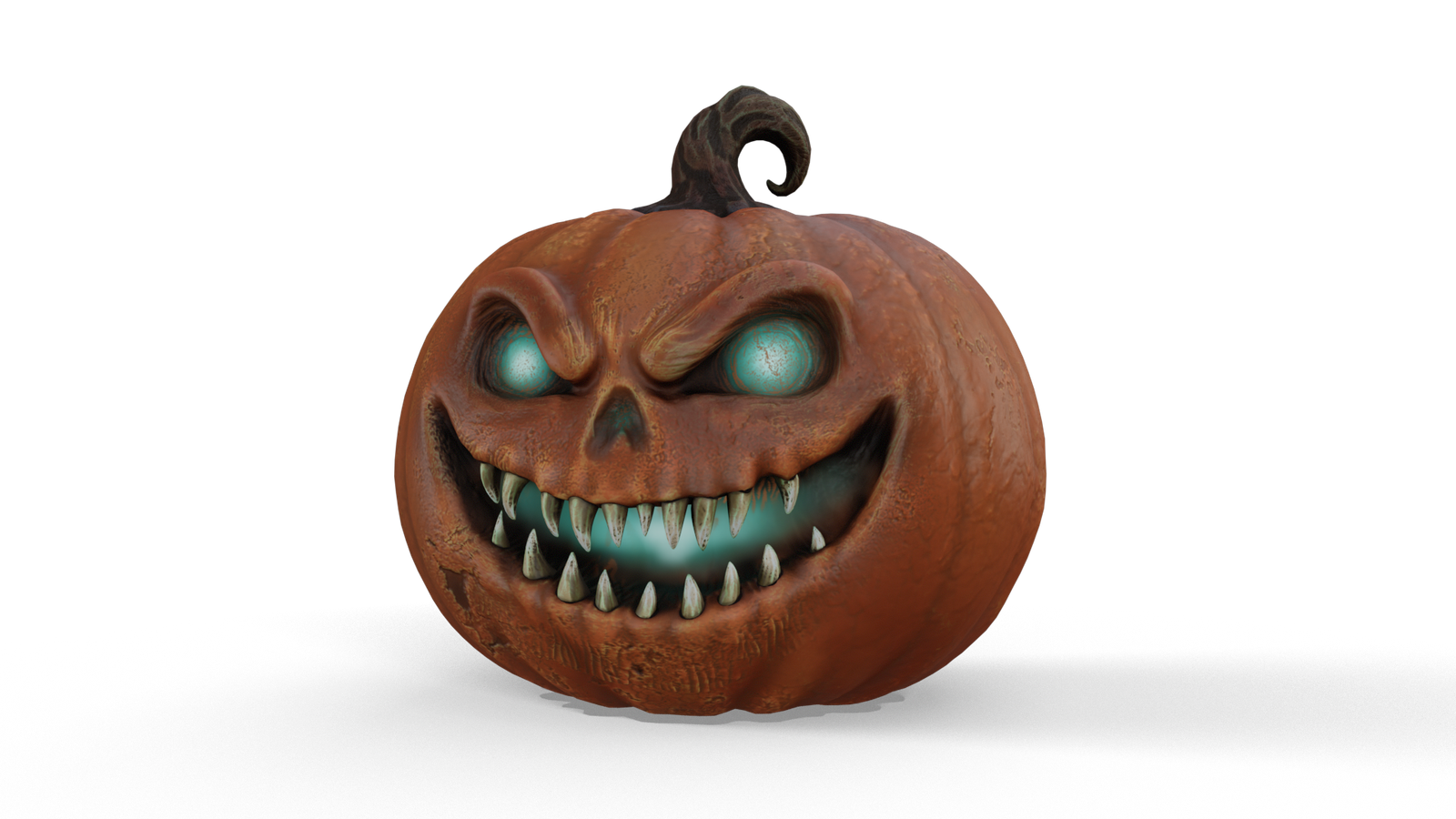
AI concepts to 3D for Shapeshift
Challenge
A streamline system was needed for Shapeshift (mobile app) to conceptualize, draft and populate library with high-quality assets for 3D printing. The primary hurdles were
- Production Speed: Traditional prototyping and drafting for a full library of characters is time-prohibitive.
- Technical Versatility: Each asset needed to serve two masters: a watertight, high-resolution mesh for color 3D printing, and a hyper-optimized .GLB file for real-time mobile app previews.
- Design Consistency: Translating conceptual ideas into 3D geometry without losing the “soul” of the initial vision.
Solution
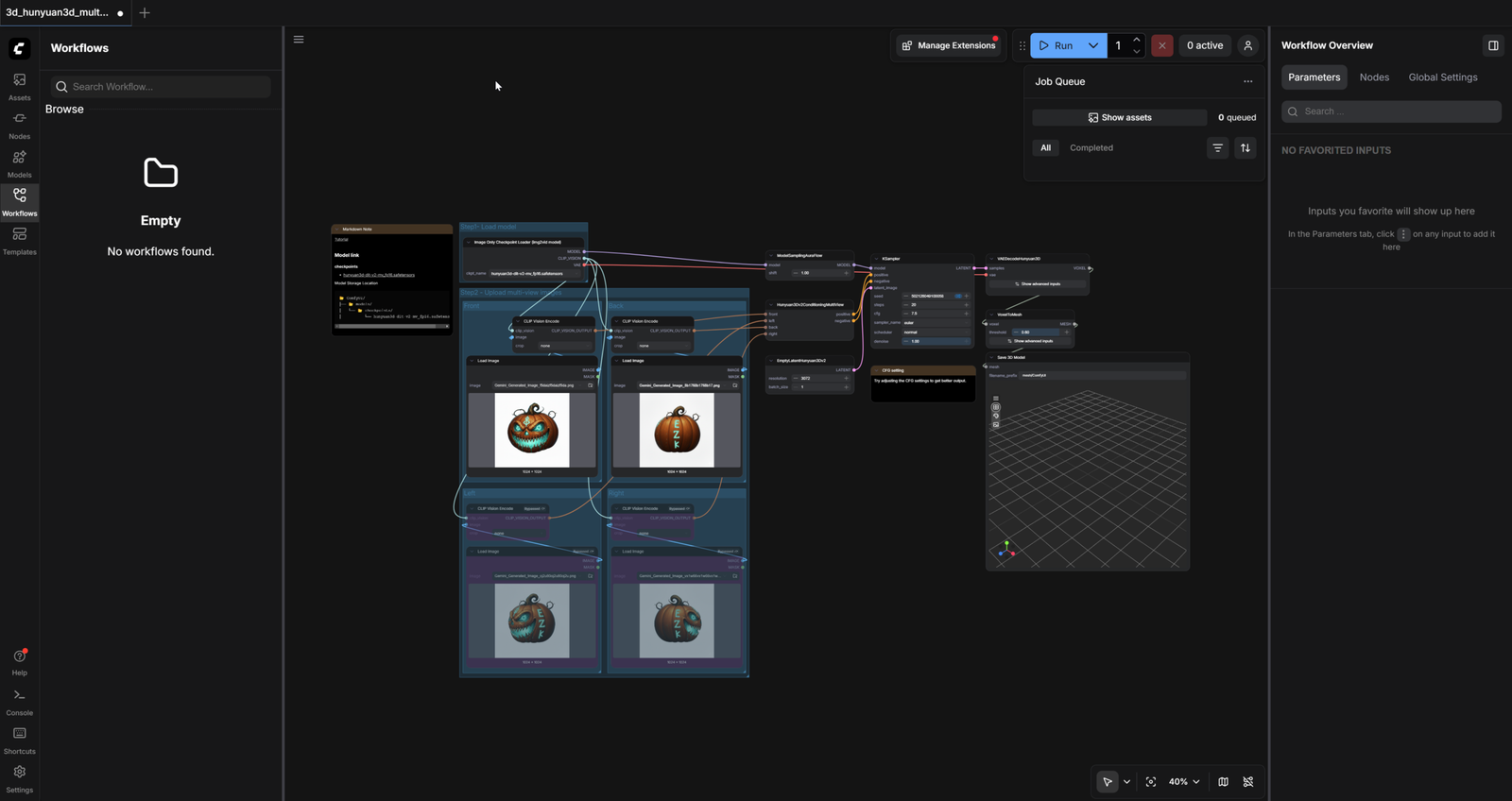
I engineered a hybrid AI-Assisted Production Pipeline that leverages generative 3D workflows to handle the block-out phase. By utilizing ComfyUI and the Hunyuan3D-2mv framework, I moved from a concept image to a functional 3D base-mesh in minutes rather than hours. This allowed me to focus my time where it matters most: artistic refinement, mechanical optimization, and print-ready engineering.
Workflow
Phase 1: Generative Concepting
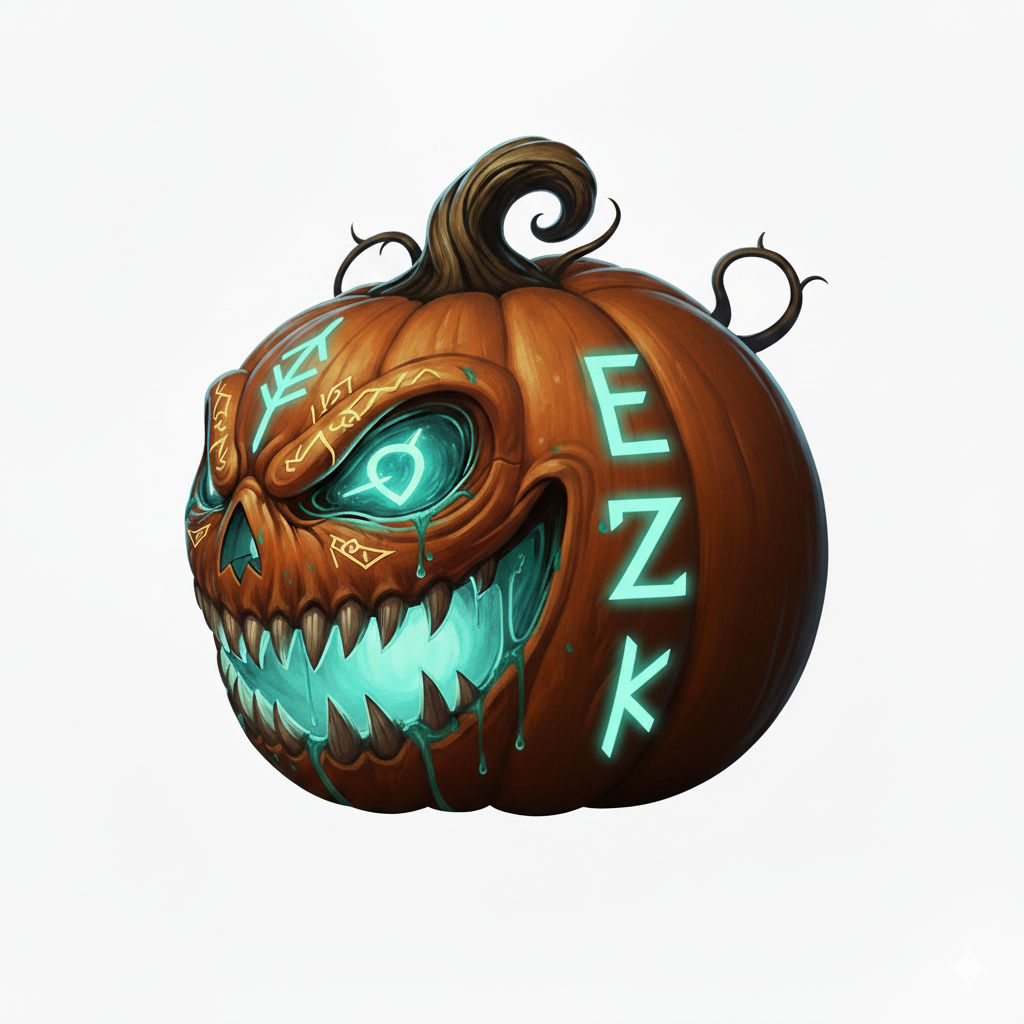
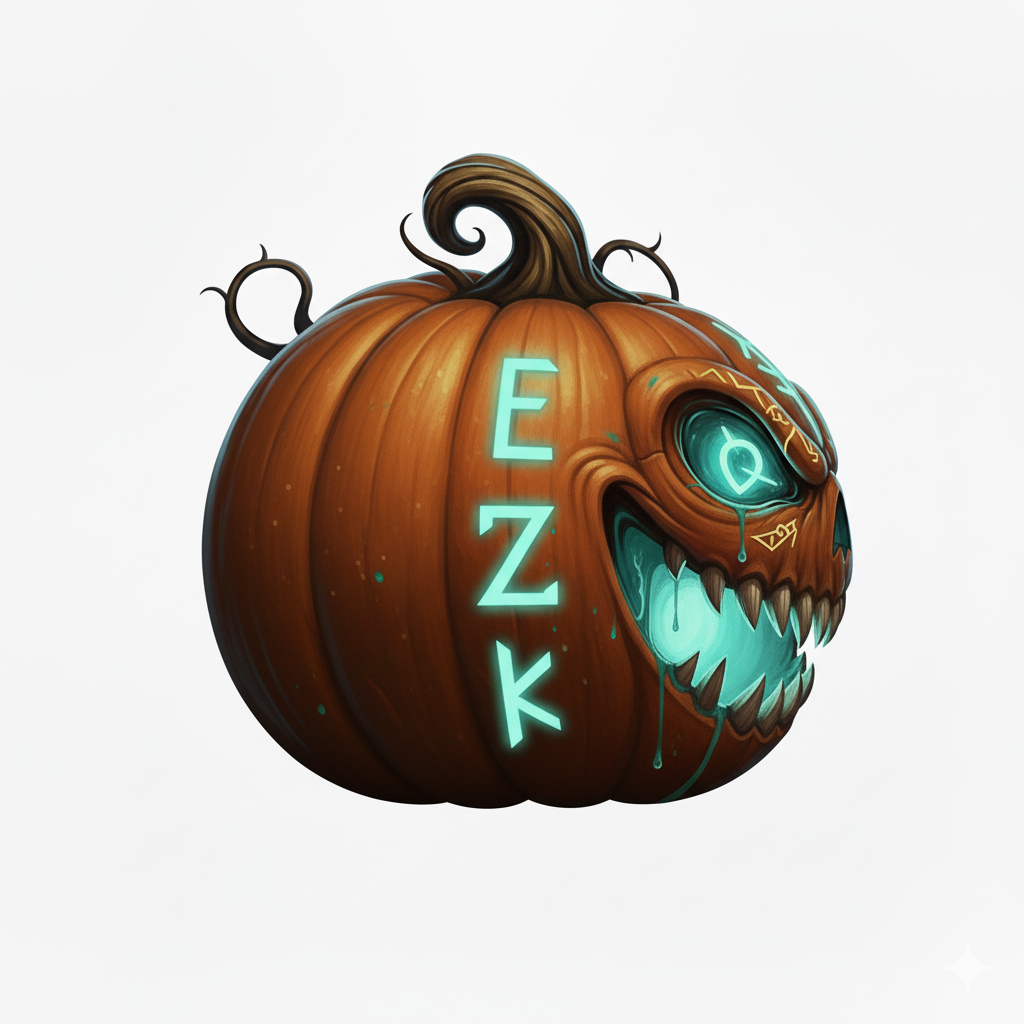
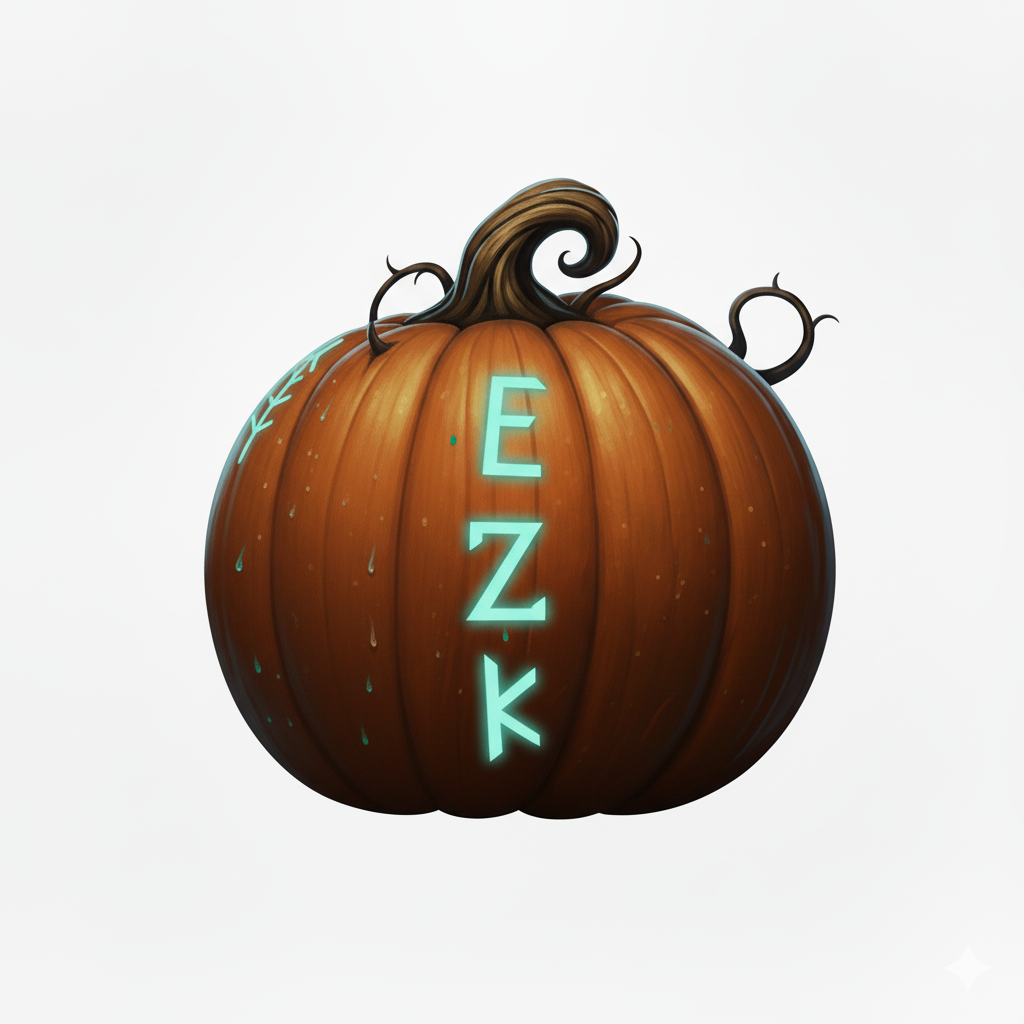
- Concept Generation: I used Gemini to iterate on Prop descriptions and lock in a unique design language.
- Multi-View Synthesis: I generated a 4-view orthographic set (Front, Back, Left, Right) to serve as a precise roadmap for the 3D reconstruction.


Phase 2: Hunyuan3D Reconstruction
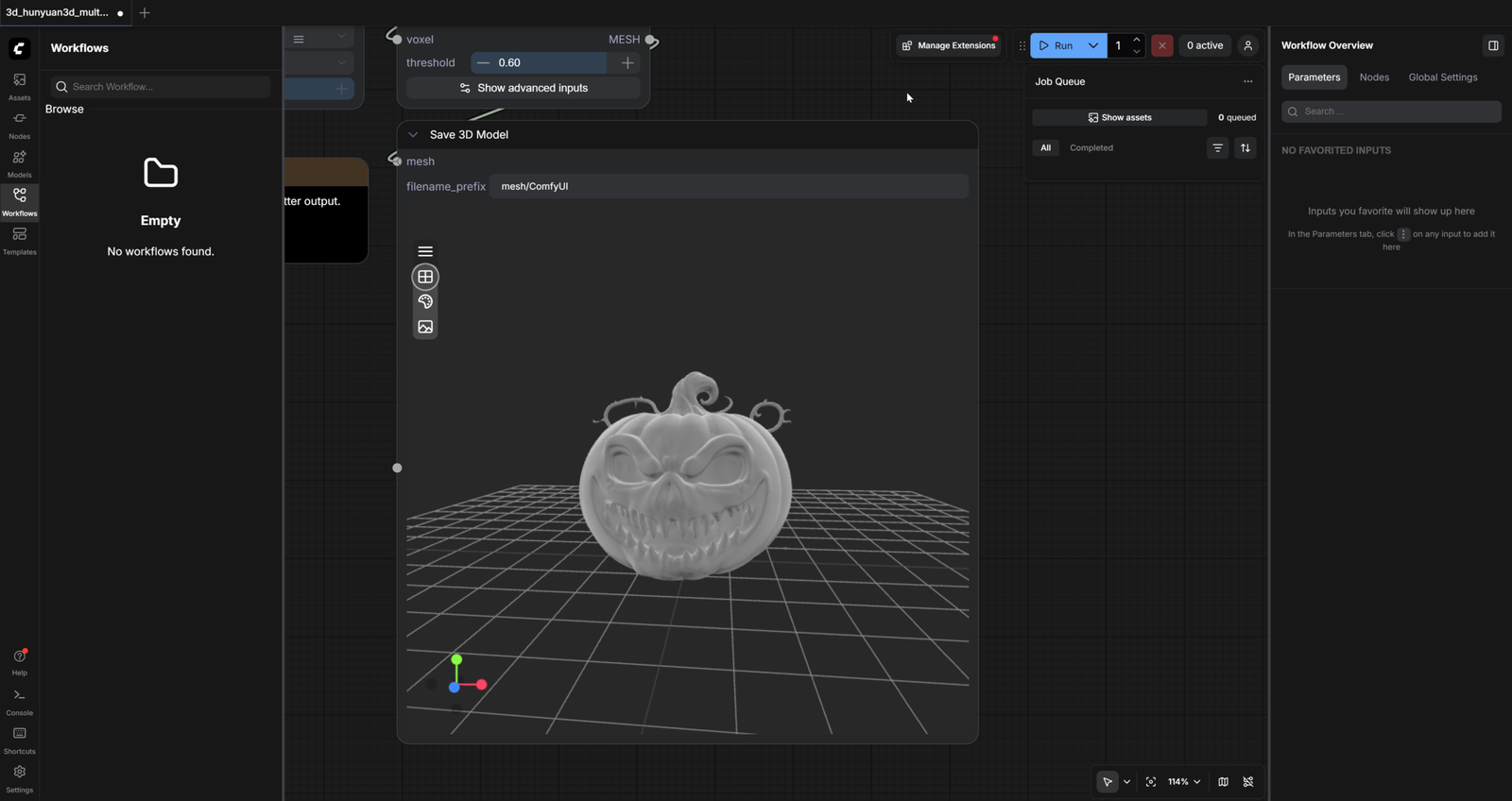
- Volume Generation: Utilizing the Hunyuan3D-2mv node, the 4-view concept was reconstructed into a raw
.glbbase geometry. This provided a 1:1 silhouette match to the concept art instantly.
Phase 3: Surgical Refinement (ZBrush)
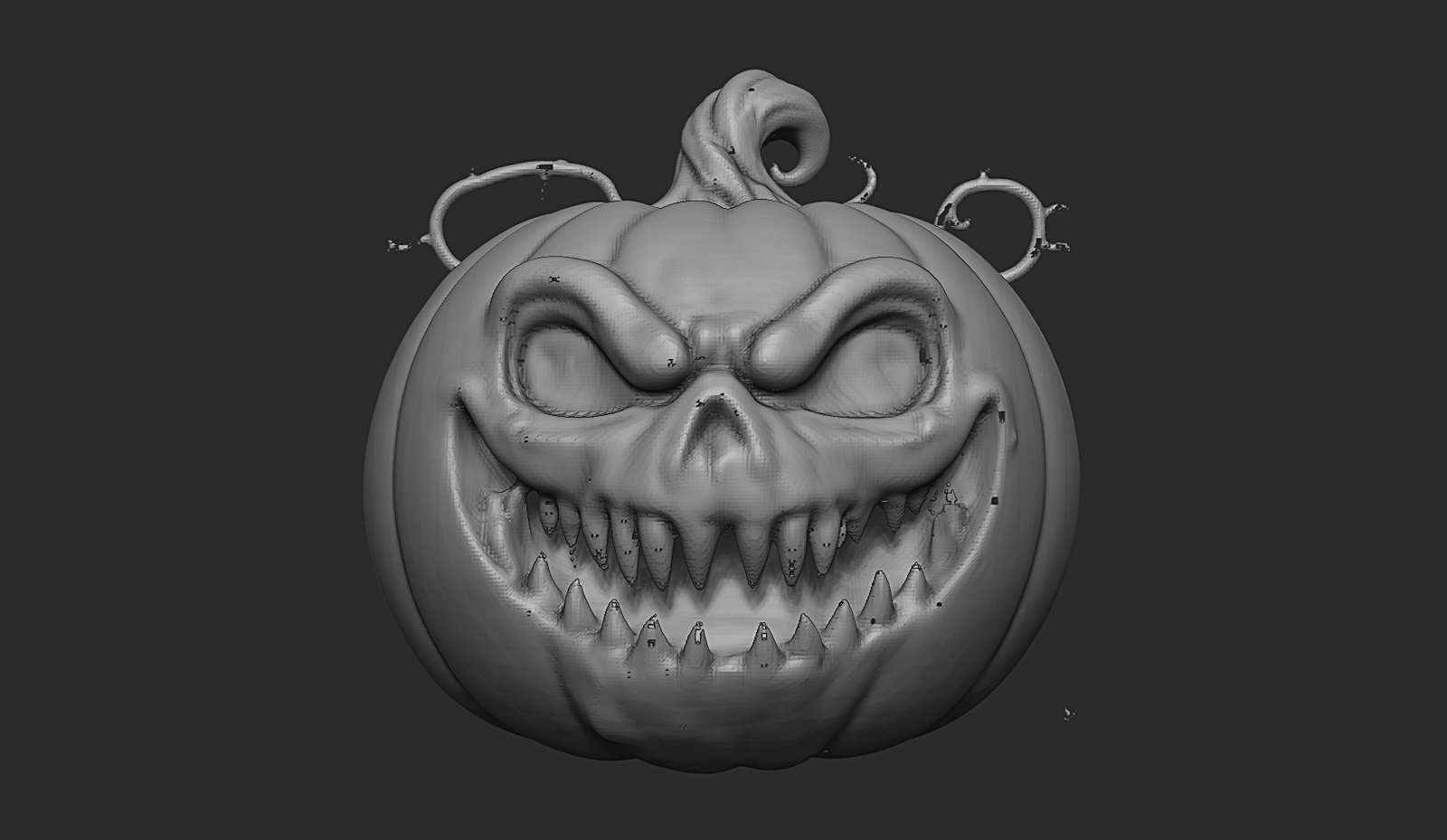
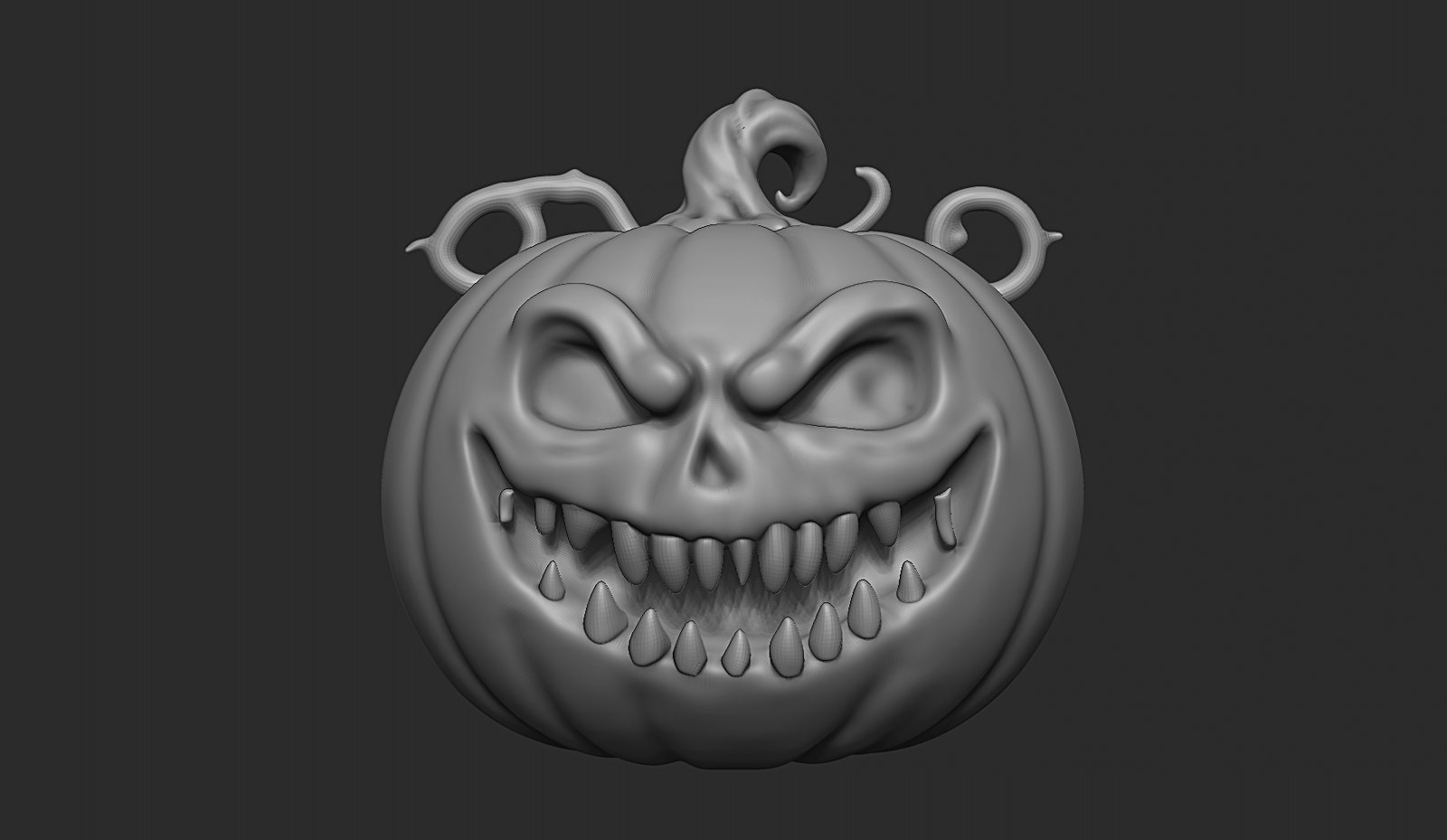
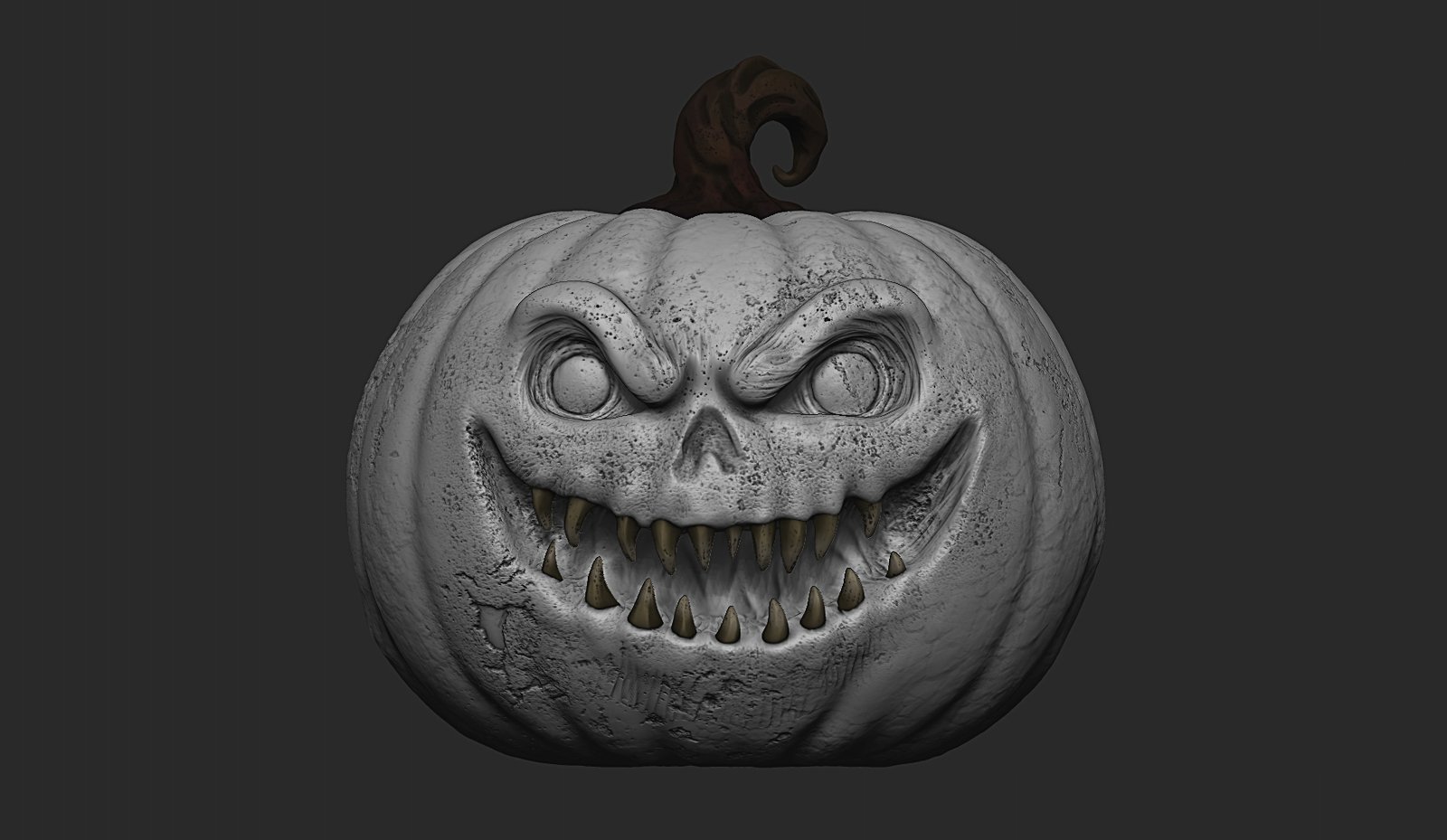
- Cleanup: the raw glb was cleaned and reconstructed in zbrush and a clean geometry was created.
- Sculpting: Macro and micro details were added to give the realism and depth to the model.
- Decomposition: I separated the teeth and body into distinct subtools for cleaner mechanical detailing.
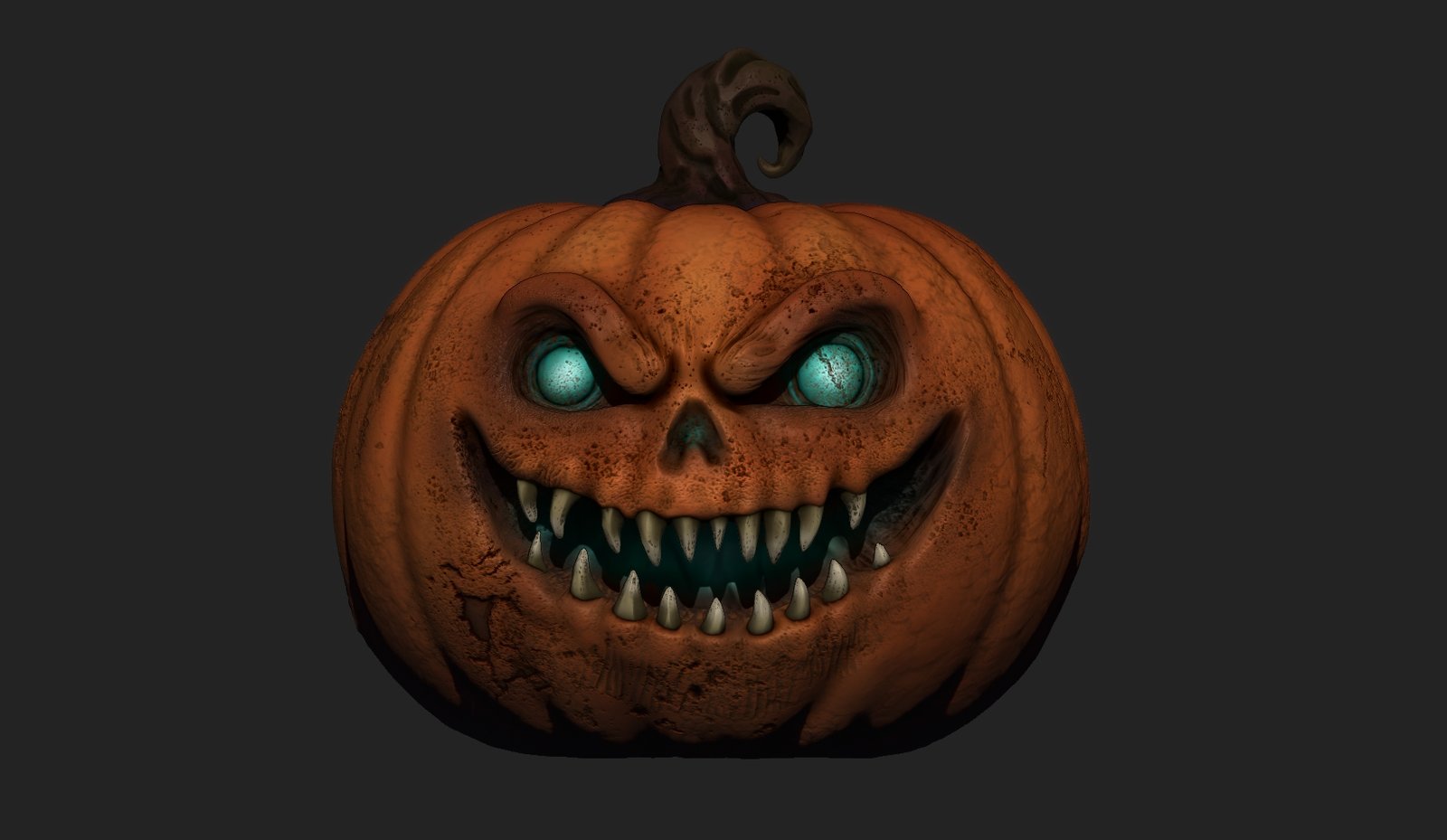
- Polypaint: I utilized Vertex Painting and high-frequency sculpting to add skin textures and organic wear.
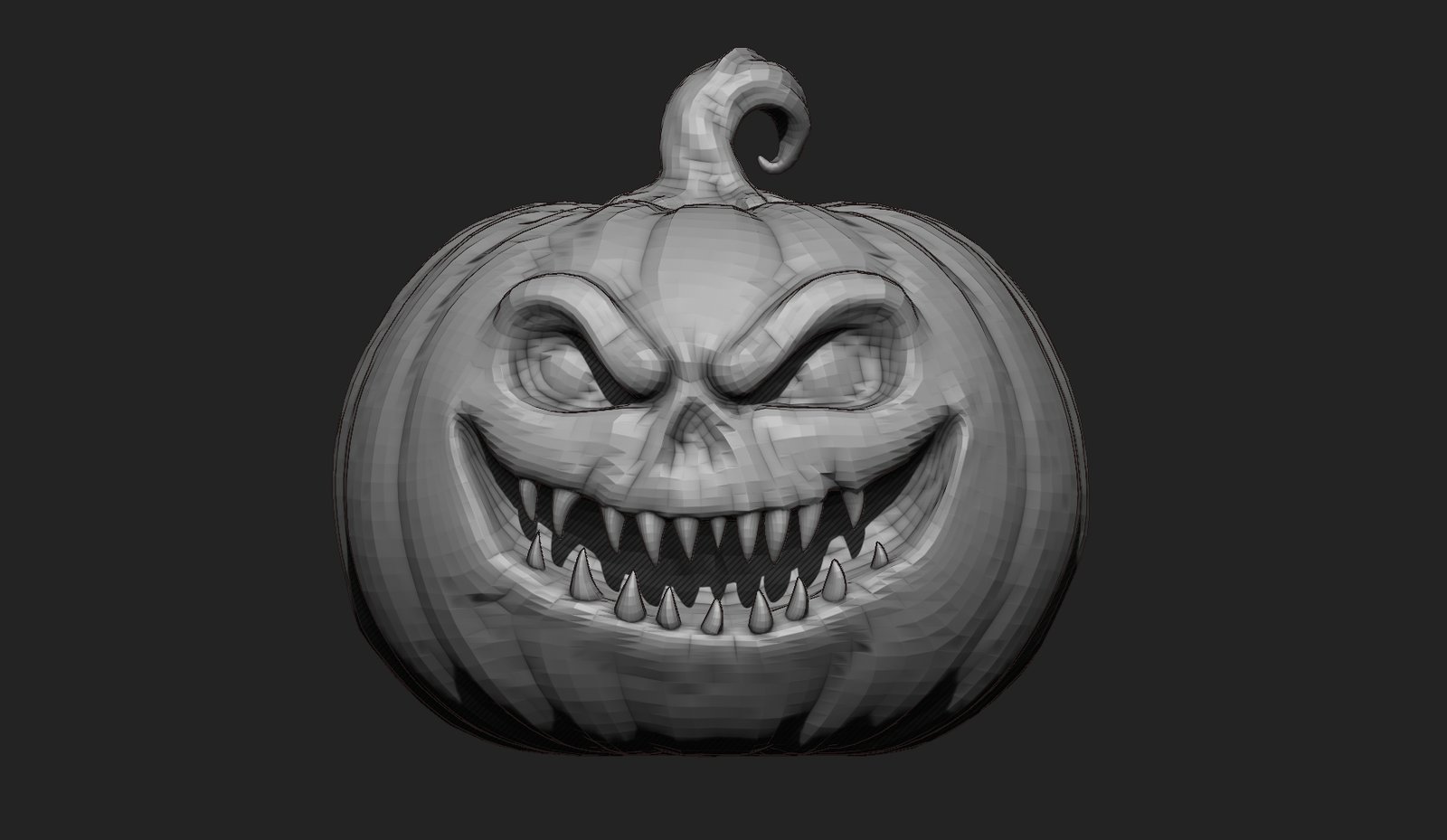
- Retopology: The mesh was remeshed and optimized from millions of polygons to a “mid-poly” count (~15k-30k) for 3D printing stability.
Phase 4: Optimization | Baking
- UV & Texture: Custom UV unwrapping allowed me to bake the high-poly vertex colors into optimized PBR maps.
- Mobile Export: A second, aggressive optimization pass was run to create a lightweight version for the ShapeShift app, ensuring fast loading times for users on mobile data.
Conclusion
The result is a production-ready asset that bridges the gap between digital art and physical manufacturing. By implementing this AI-integrated workflow.
- Reduced block-out time by 70%.
- Created a “Master Asset” capable of being 3D printed in full color or viewed in a real-time mobile environment.
- Proved the scalability of the ShapeShift asset library, allowing for rapid expansion without sacrificing the technical quality expected of a Senior 3D Lead.