

Invincible
Comic to Metahuman
Challenge
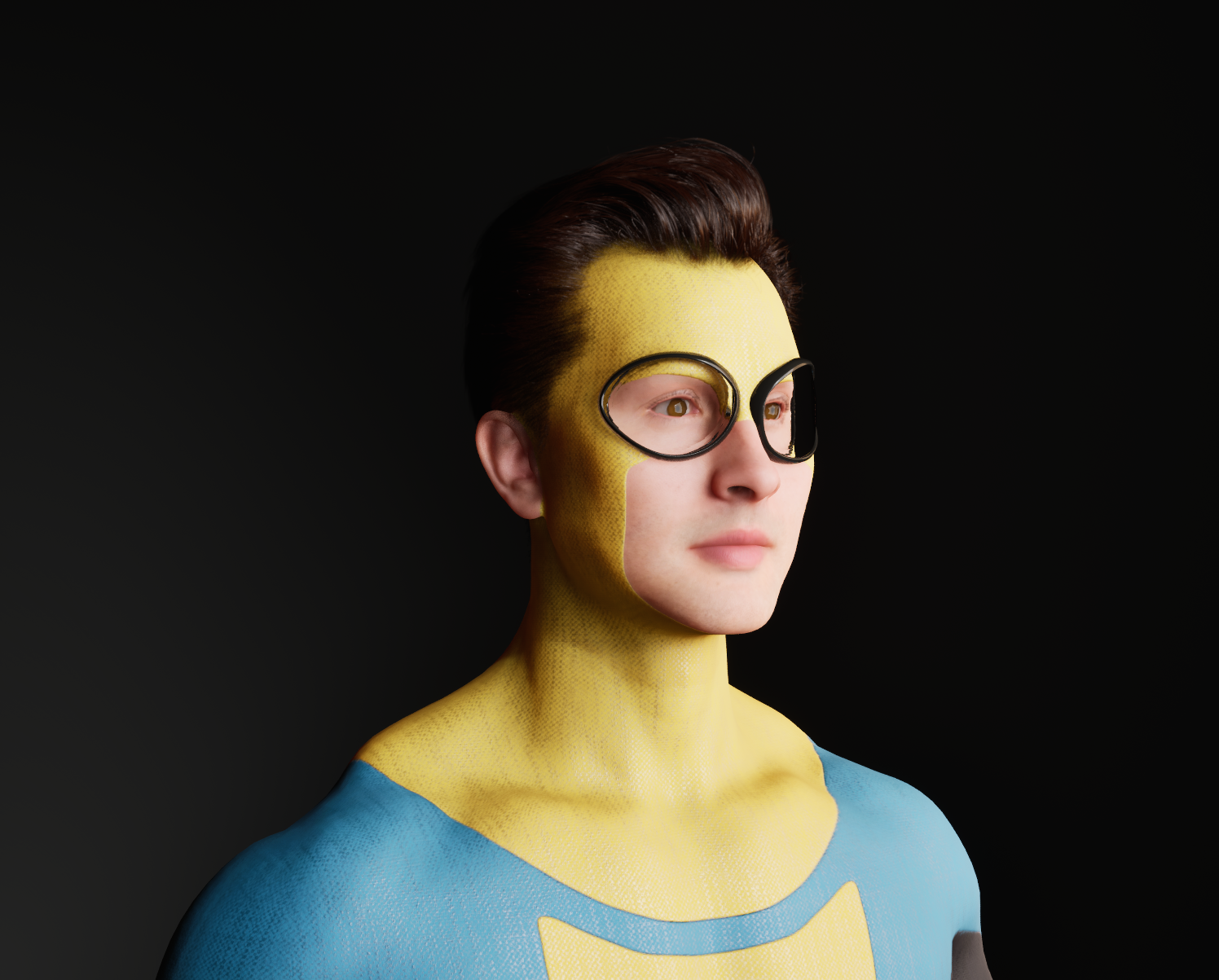
The objective was to create a high-fidelity, production-ready version of Invincible, within the MetaHuman framework. The primary hurdle was the character’s signature skin-tight suit.
When using traditional 3D clothing assets, facial animations often cause the mask to clip or “break” around the mouth and eyes. The client required full emotional range in the face without any mesh penetration or weighted skinning artifacts between the mask and the underlying head.
Solution
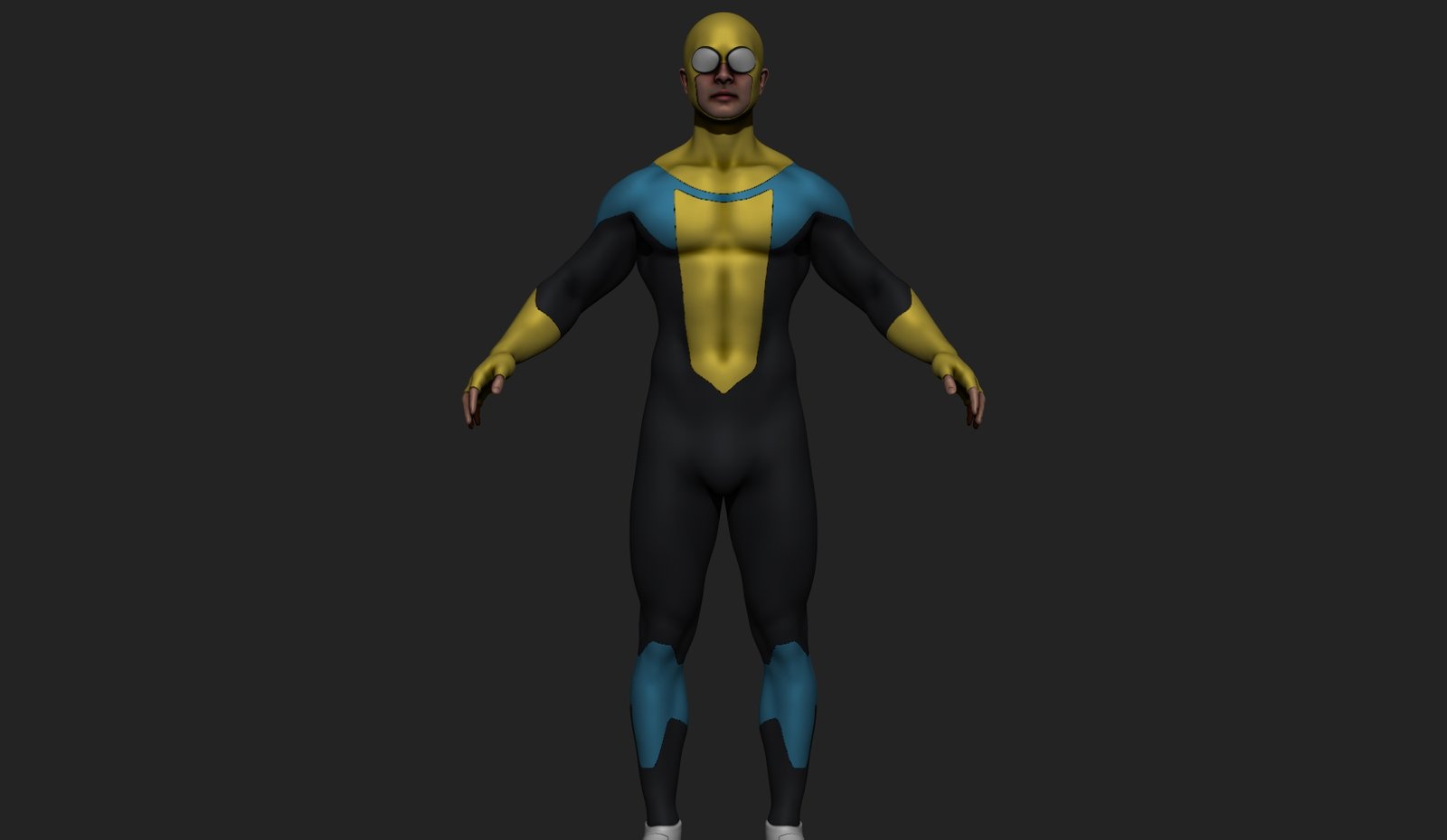
To ensure 100% stability during facial performances, I opted for a texture-based suit integration. Instead of a separate clothing layer, the suit was baked directly into the MetaHuman’s skin textures.
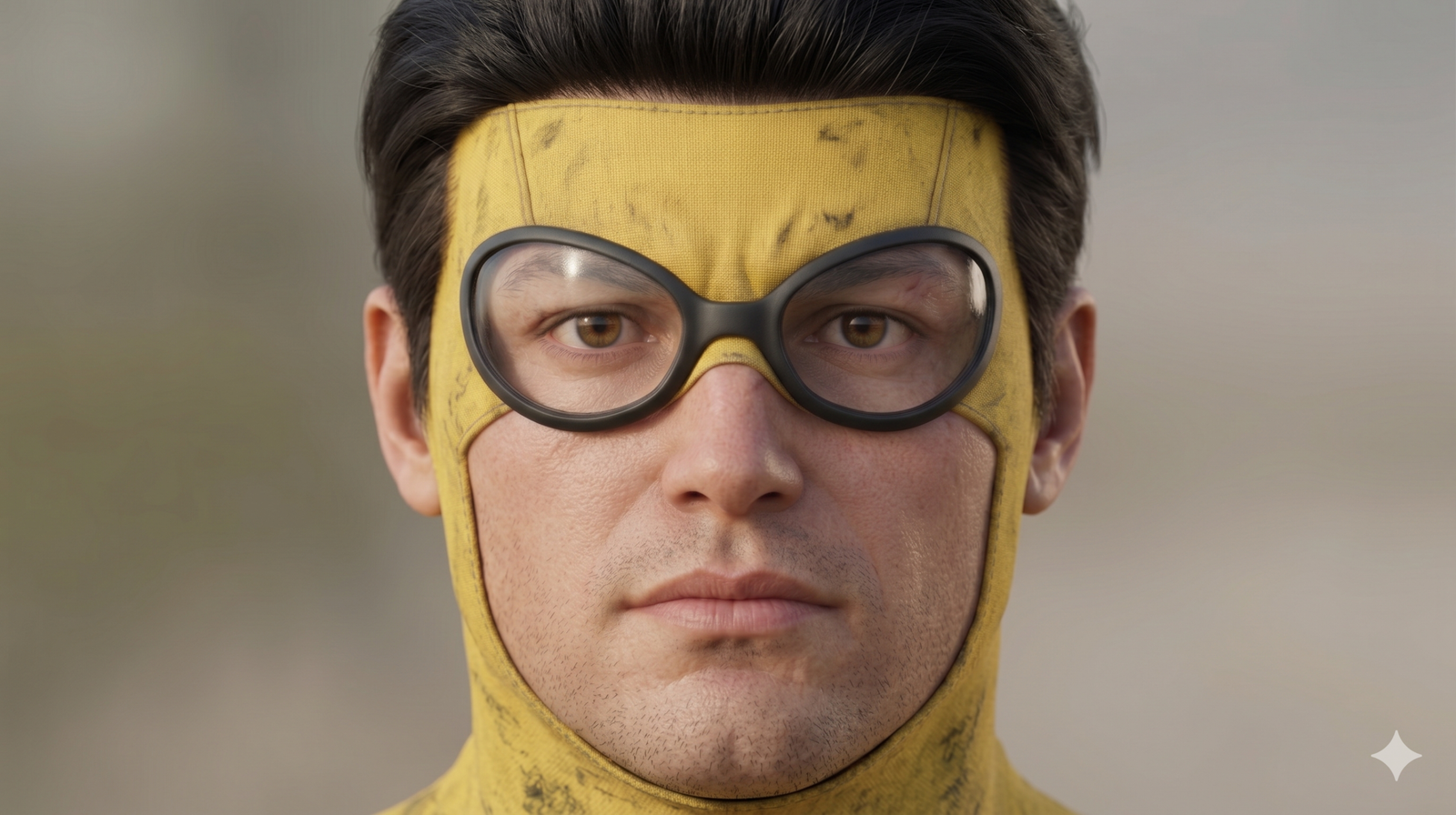
By replacing the default MetaHuman textures with custom-authored versions, I achieved a high-fidelity “material feel” that moves perfectly with the facial rig. This approach allows the mask to stretch and wrinkle naturally alongside the MetaHuman’s underlying blendshapes.
Workflow
The project utilized a multi-stage pipeline across CC5, ZBrush, and Unreal Engine:
Phase 1: CC5
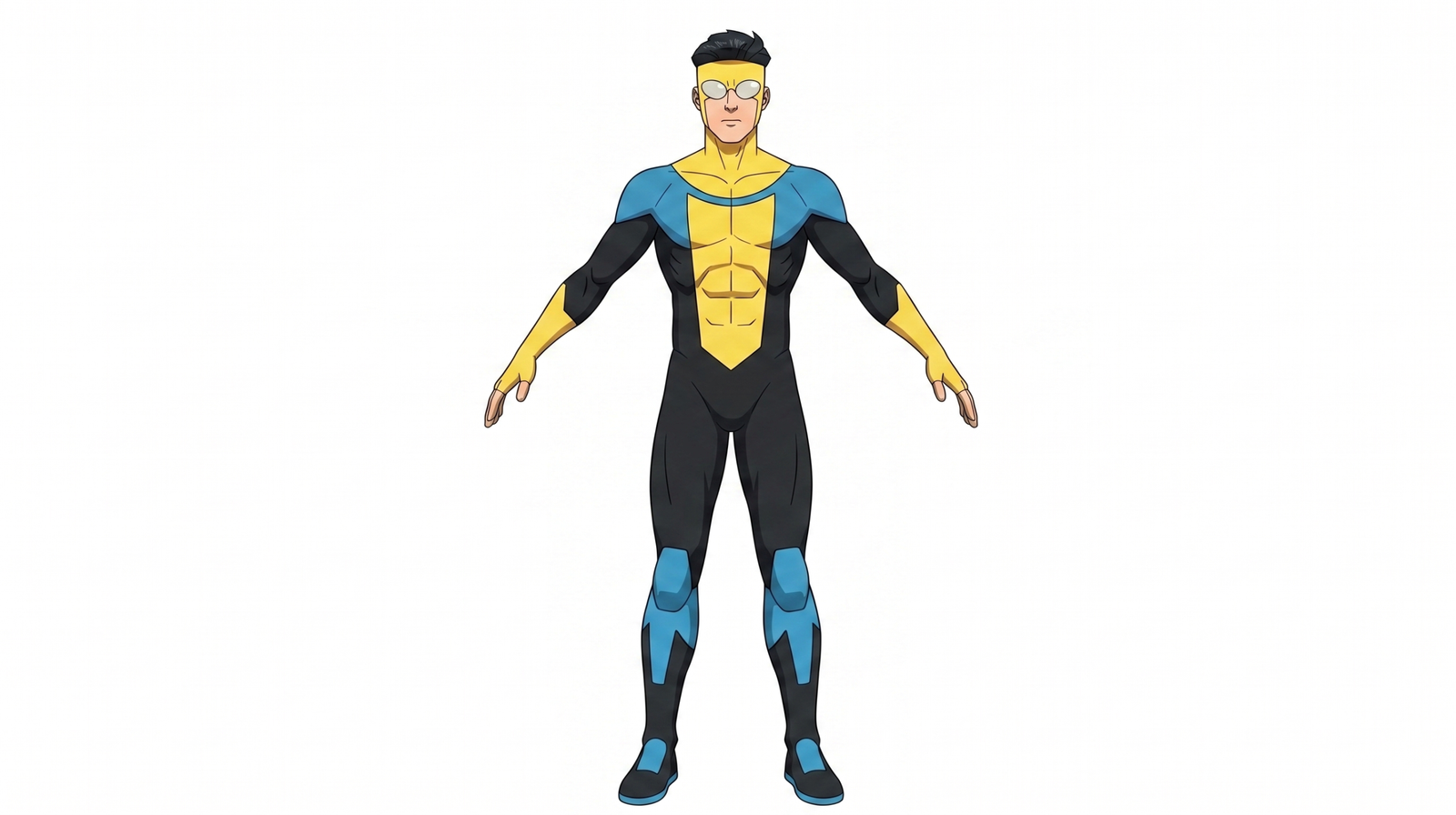
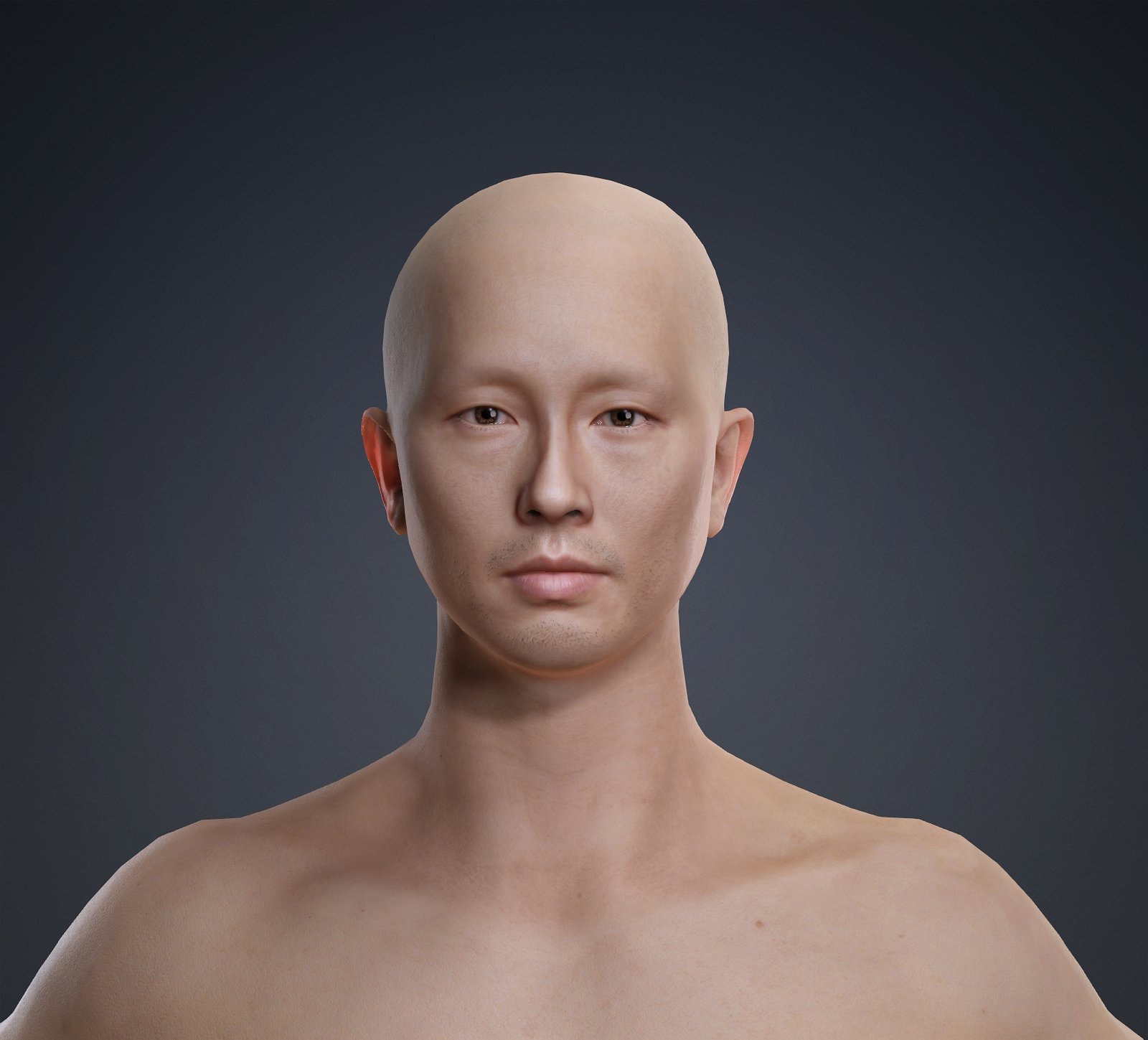
- Used comic reference imagery to sculpt the base facial structure and body proportions in Character Creator 5 utilizing Headshot 3.0.

Phase 2: Zbrush Sculpt
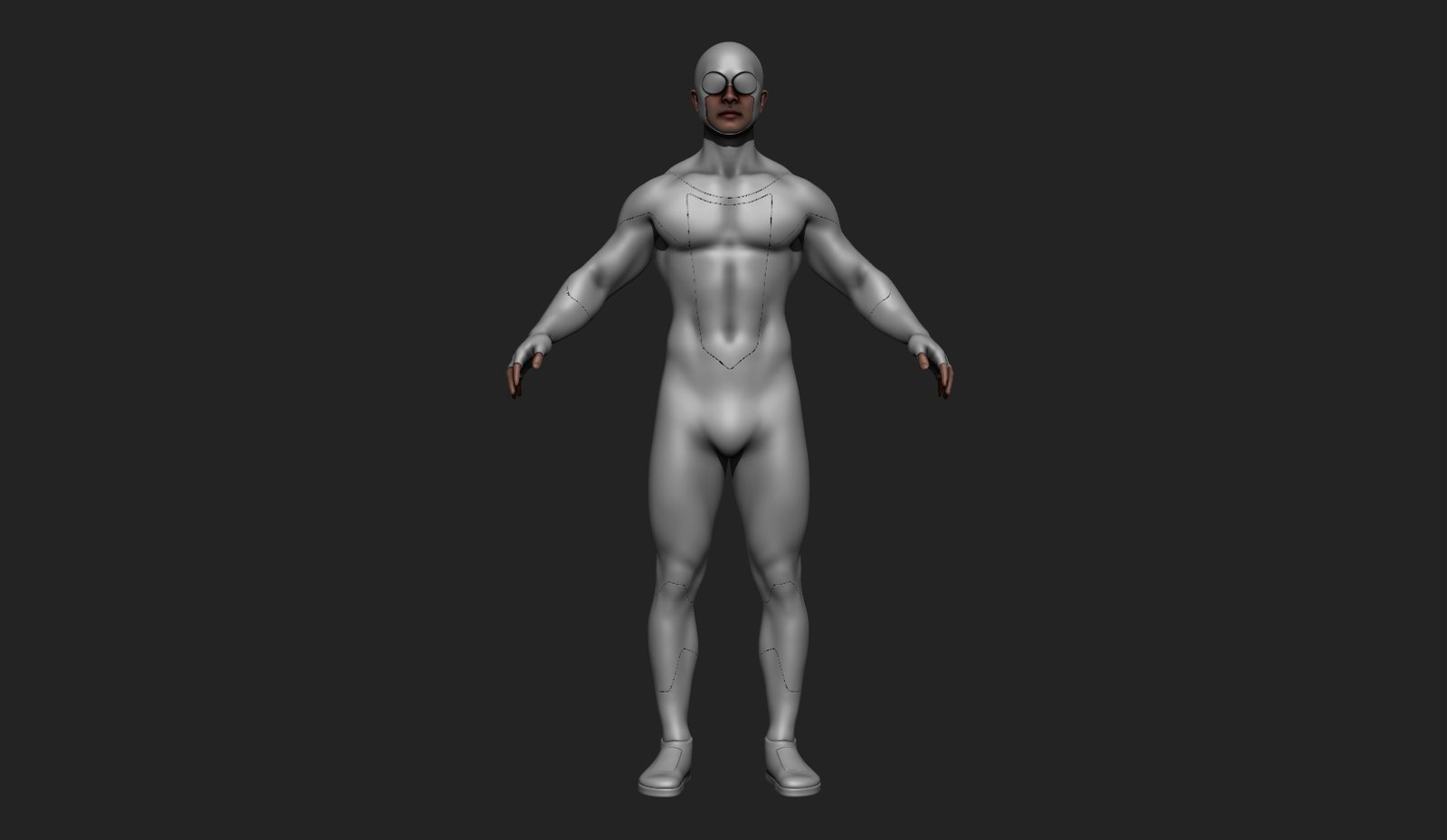
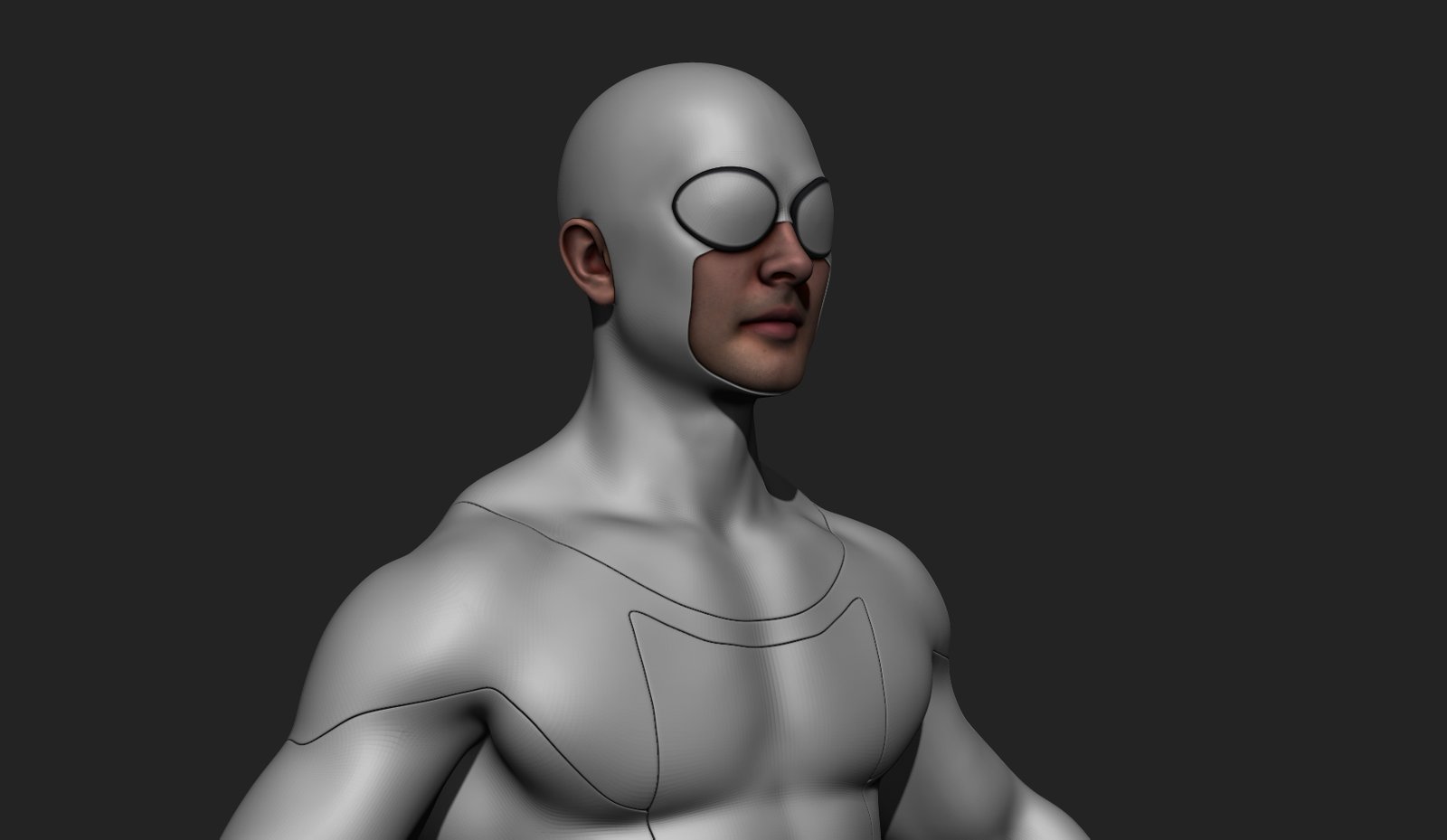
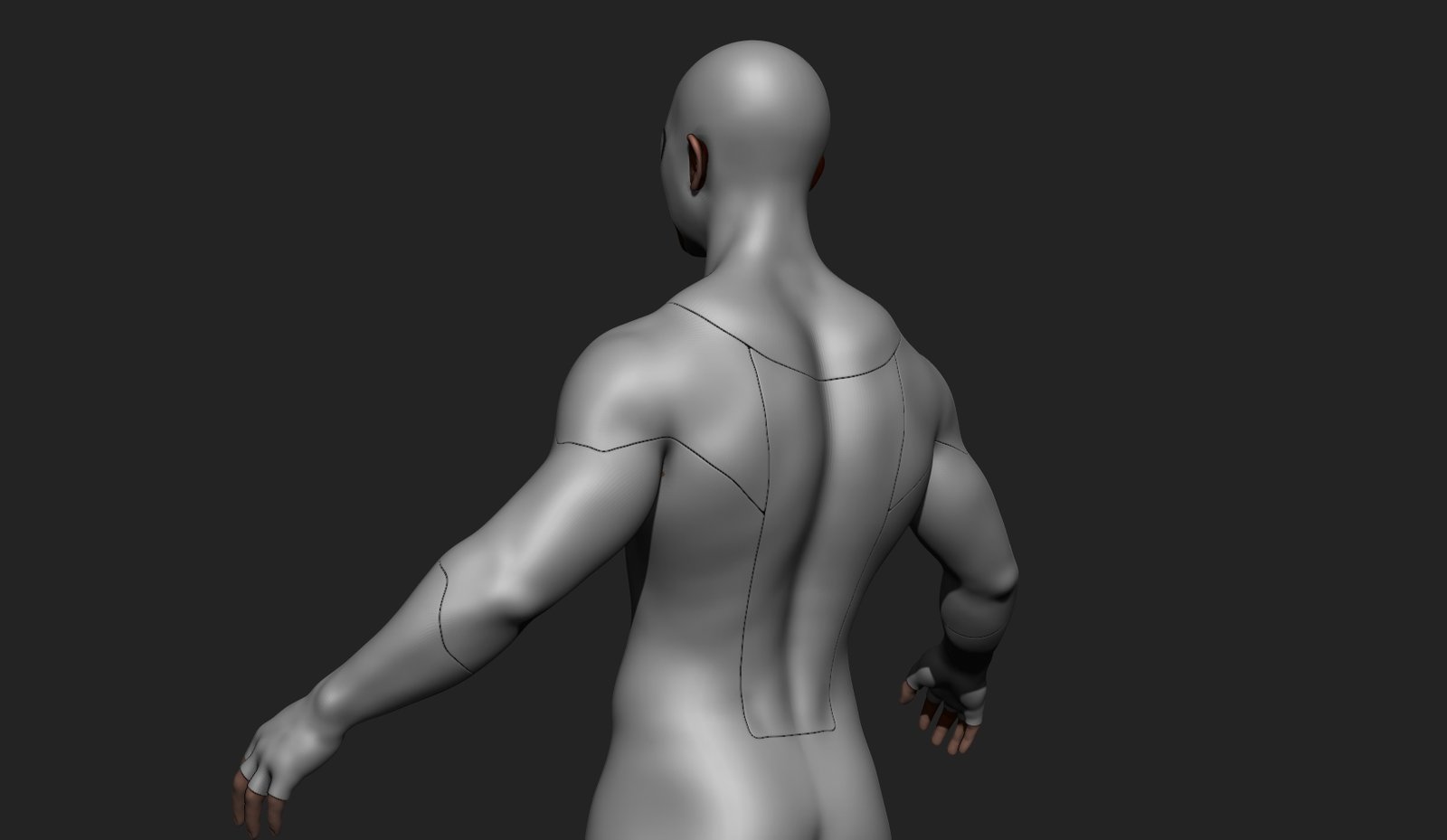
- Ported the model to ZBrush to sculpt micro-details of the suit’s fabric, seams, and the character’s muscular anatomy.
Phase 3: Texturing
- Zbrush High to low bake was used to bake the clothing details onto the low res base mesh. and later painter was used with idmaps to assign different materials to the suit.
Phase 4: Mesh Conforming:
- Used ZWrap to conform the standard MetaHuman template head to the custom CC5 face shape, ensuring a clean transition for the MetaHuman Creator.
Phase 5: Metahuman Creation
- Used Conform mesh workflow in metahuman creator to make the Metahuman and assign the textures.
- Replaced the metahuman textures with the updated textures from Painter
Conclusion
The final result is a character that maintains the iconic aesthetic of the source material while benefiting from the industry-leading facial rig of the MetaHuman system. This workflow proved that for “skin-tight” superhero costumes, a texture-driven approach offers superior stability and performance over traditional cloth simulation or skeletal mesh parenting, particularly for close-up facial dialogue.